How Group Exercise Changed from Calisthenics to Fitness Classes
Learn how group exercise evolved from synchronized calisthenics into varied fitness classes, and what class formats, instruction, music, and equipment mean for you.
The common mistake in understanding group exercise is to assume it began with one inventor or a single defining class; that shortcut obscures the gradual changes in format. Group exercise moved from shared bodyweight drills toward sessions shaped by instructors, music, equipment, and different training aims.
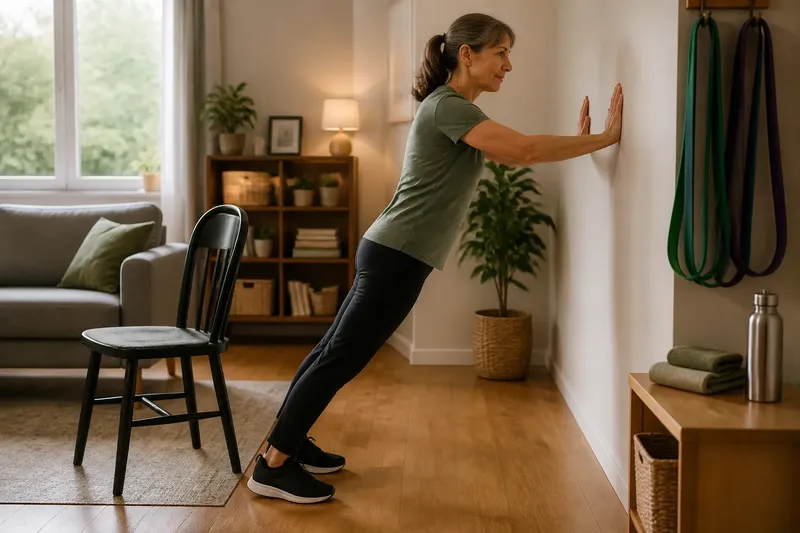
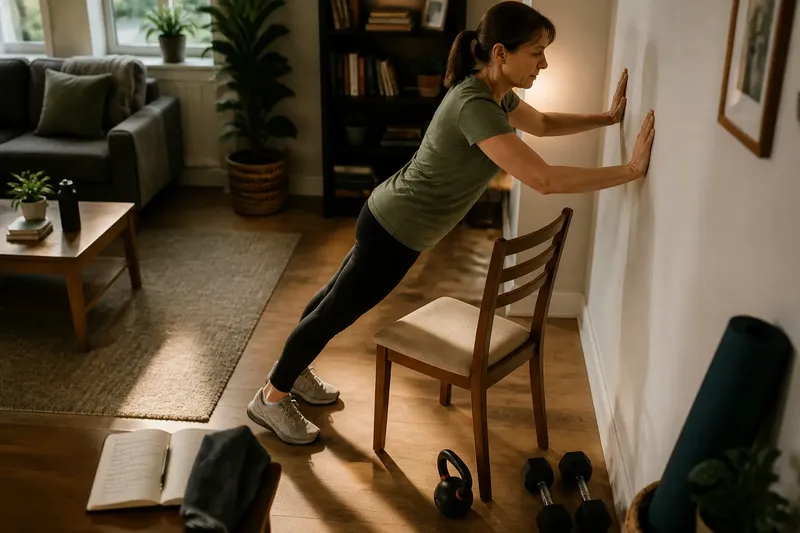
Calisthenics uses body weight for movements such as squats, arm raises, and marching in place. In a group, these familiar actions are easy to demonstrate and repeat, but the broader story is how organizers changed the structure and choices available within a shared session.
Group exercise grew from simple synchronized movement
As a simplified overview, early organized group sessions often used a leader to demonstrate movements while participants followed together. That format required little equipment and made it possible to teach a sequence to a room at once.
Repeated commands and formations helped keep participants moving at a shared pace. Sessions could focus on posture, mobility, and general conditioning, with familiar movements that did not require specialized equipment.
The structure also gave the leader considerable control over pace and sequence. Participants generally followed the same plan, leaving less room for personal choices during the session.
Group exercise developed distinct class formats
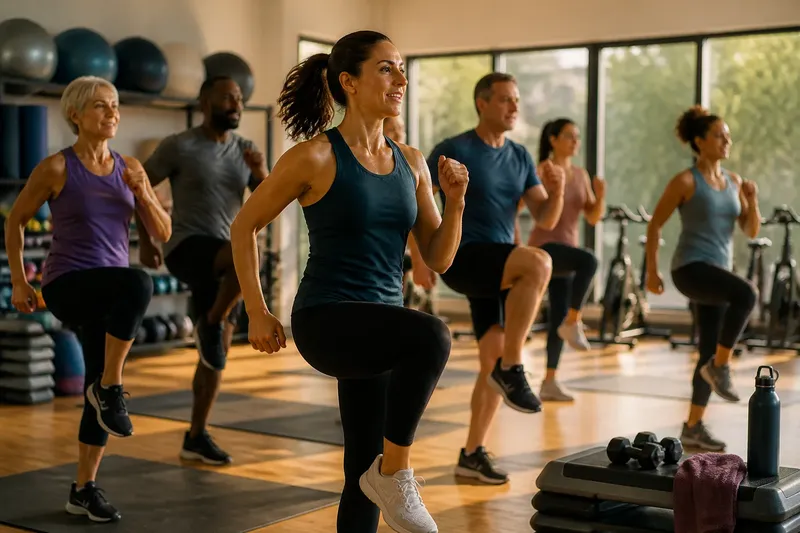
Over time, group sessions took on more varied identities. Some emphasized rhythmic movement, others used dance patterns or small hand-held equipment, and still others centered on strength or endurance.
Music could do more than set a mood: a steady beat could help organize repeated movement and signal transitions. Instructors might demonstrate technique while using musical cues to help participants follow the routine.
Say a community center changes a marching-and-stretching session into a low-impact dance class. The center keeps the shared group structure but adds music, repeatable combinations, and options to reduce range of motion; participants can follow a common rhythm at different levels of effort.
Fitness classes gave instructors a broader teaching role
In many fitness classes, instructors do more than call out the next movement. They may demonstrate variations, explain how to adjust resistance, and cue a transition before participants reach it.
Clear guidance can make a session easier to follow, but a class name alone does not tell you whether its pace or movements will suit you. A well-organized instructor explains what is coming and offers alternatives without suggesting that modifications are lesser versions of the workout.
Class identity also helps participants anticipate the session. A strength class may emphasize controlled repetitions, a cycling class sustained pedaling, and a mobility session slower, deliberate movement.
Equipment and room layout shaped the group experience
Steps, mats, stationary bikes, resistance tubing, and light hand weights changed how participants used the room. Equipment placement and spacing affected how people entered, moved between exercises, and kept sight of the instructor.
Tools add variety but also require clear setup and movement paths. A cycling class keeps each participant at a station, while a mat-based session needs enough room for bodies to move without crowding neighbors.
For a participant choosing a class, the useful question is whether its equipment and layout suit the movement and level of guidance they want.
What should you expect from a first group exercise class?
How is a fitness class different from calisthenics?
Calisthenics is a type of exercise, while a fitness class is an organized session that may use bodyweight movements, equipment, music, or a mix. A class can include calisthenics without being limited to it.
Does everyone in a group class do the same movements?
Participants often share a sequence, but instructors may offer alternatives for range of motion, impact, or resistance. Using a modification is a normal way to participate, not a failure to keep up.
What should you look for in a first class?
Look for a clear class description, an instructor who explains transitions, and enough room to move. If the session uses unfamiliar equipment, ask staff how to set it up before class begins.
Why do some classes use music while others do not?
Music can provide a shared rhythm and help organize repeated movement, but it is not necessary for every training goal. A technique or mobility class may use quieter cues to help participants focus on control.
Group exercise combines shared structure with individual choices
Group classes retain a central arrangement: people gather, follow a sequence, and receive guidance. The format can now be shaped in different ways, from quiet mobility work to music-led conditioning.
When comparing options, look beyond the class name. The description, pace, equipment, room setup, and instructor’s approach offer a clearer sense of what participation will involve.
The shift from calisthenics to fitness classes was not a simple replacement of one style by another. It broadened the available formats while keeping shared movement at the center.
Before choosing a group exercise class, check its description and ask whether it welcomes beginners or offers movement options. Knowing how the session is organized can help you choose a format that feels comfortable to attend again.